Bold Flavours and Big Moments: Navigating the Top Tier of Indian Strong Beers
- Medusa Beer
- Mar 25
- 3 min read


The Indian beer market is one of the most vibrant in the world, characterised by a deep-rooted love for bold, full-bodied lagers. While the global trend sometimes leans toward lighter ales, the Indian heart remains loyal to the satisfying "thump" of a cold, strong bottle. Finding the best strong beer in India is no longer just about picking the most recognisable label; it is about discovering a brand that respects the art of the brew.
The Cultural Connection to Strength
In India, beer is often associated with celebration and big social gatherings. Whether it is a wedding after-party or a reunion with old friends, a strong lager fits the energy of the occasion. It provides a sense of fullness and satisfaction that light beers often lack. However, the modern consumer is becoming more discerning. They are moving away from the "rough and tough" imagery of the 90s and toward a more sophisticated identity.
This shift has forced strong beer brands to evolve. The marketing is no longer just about power; it is about passion and precision. People want a brand that reflects their own ambitions: bold, unapologetic, and refined. This cultural shift is why we see more people willing to pay a little extra for a bottle that guarantees a superior taste and a cleaner experience.
Identifying True Quality in a Crowded Market
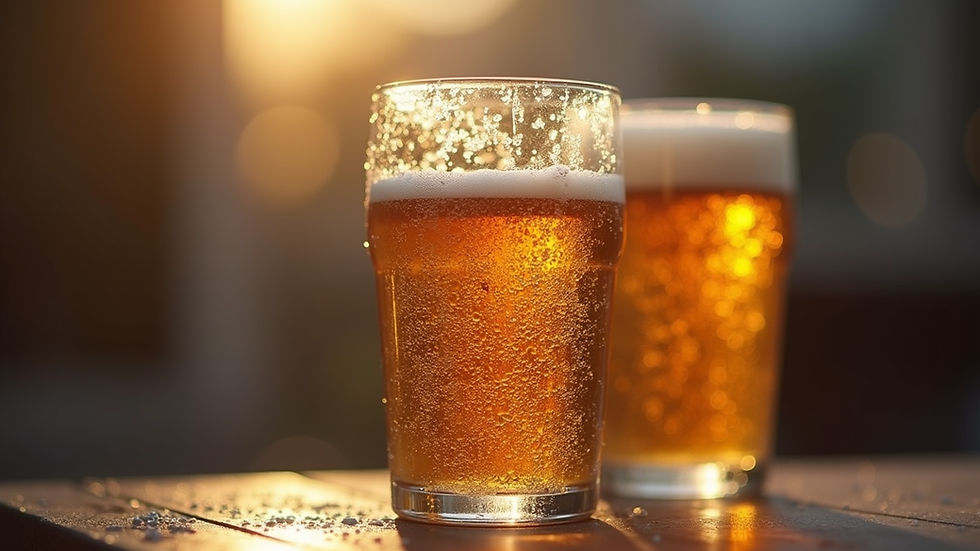
With so many options on the shelf, how do you spot a Premium Strong Beer? It starts with clarity. A high-quality, strong lager should be crystal clear with a golden hue, topped with a dense, white head that lingers. The aroma should be inviting; think bready malts and a hint of herbal hops, rather than overwhelmingly alcoholic.
The mouthfeel is another dead giveaway. Cheaper strong beers often feel "thin" or watery despite the alcohol. A premium version will have a velvety texture and a rounded body. This is achieved by using a higher ratio of malted barley and allowing the beer to condition for the right amount of time. At Medusa, we believe that every sip should be a journey of flavours, starting with a slight sweetness and ending with a clean, crisp snap.
The Role of Technology in Modern Brewing
Modern breweries are using advanced filtration and hopping techniques to change the perception of strong beer. "Late hopping", for example, allows brewers to add aroma without adding excessive bitterness. This results in a beer that smells incredible but remains easy to drink.
Additionally, the use of high-quality adjuncts, such as specifically treated rice, helps lighten the body of the beer while maintaining the high alcohol content. This creates a "dangerous" drinkability where the alcohol is so well-integrated that you hardly notice it until the pleasant warmth kicks in. This level of technical mastery is what defines the leaders in the current market.
Looking Ahead to New Trends
As we look toward the future, we expect to see even more experimentation within the strong category. We might see "imperial" versions of local favourites or lagers aged with unique wood chips to add depth. The goal is always the same: to provide the Indian drinker with a beverage that stands up to the spicy, rich flavours of our food and the high energy of our social lives.
FAQ
Why does strong beer taste different from mild beer?
Ans: Strong beer uses more malted grains during the brewing process. This provides more fermentable sugars for the yeast, resulting in higher alcohol and a bolder, sweeter malt flavour compared to the lighter, crisper profile of mild beer.
Which foods pair best with a strong Indian lager?
Ans: Strong lagers are excellent with heavy, spicy dishes. Think Tandoori meats, spicy Kebabs, or rich curries like Rogan Josh. The carbonation and alcohol help cut through the fats and spices effectively.
Are glass bottles better than cans for strong beer?
Ans: Both have their merits. Bottles are traditional and feel premium in hand, but cans are actually better at protecting the beer from light and oxygen, which are the two biggest enemies of beer freshness and flavour.


Comments